Why Permanent Vacation Lighting Are Altering Home Outside Layout
For years, outside holiday illumination sat in its very own classification. It was seasonal, temporary, and commonly dealt with as a second thought. Homeowners drew boxes from the attic room, checked half-working strands in the driveway, climbed up ladders in cold weather, after that took everything down a few weeks later on. The lights were festive, however they were hardly ever component of the architecture. They enhanced a home without truly coming from it.
That distinction is fading fast.
Permanent Holiday Lights have moved from uniqueness to develop feature, which change is changing just how people think about the exterior of a residence. What started as a convenience play has actually come to be something a lot bigger. Home owners now desire illumination that works in December, but likewise in July, during autumn football weekends, springtime celebrations, birthdays, graduations, and peaceful nights on the patio area. Contractors, remodelers, and illumination professionals have seen. So have architects that appreciate rooflines, fascia information, visual allure, and nighttime presentation.
The outcome is a various conversation about outside style. It is no longer nearly exterior siding color, window trim, landscape design, and patio components. Lights has actually become part of the irreversible aesthetic language of the home.
From seasonal decoration to architectural element
Traditional holiday lights were constantly noticeable as an add-on. Even when installed nicely, the clips, cables, and small droop in between attachment points gave them away. That was great when the goal was momentary party. Nobody expected a seasonal hair to act like an integrated design feature.
A well-executed Irreversible LED Lighting Installment changes that relationship entirely. The lighting is generally mounted inconspicuously along soffits, fascia, or trim lines, typically put into channels or concealed in a way that maintains the daytime appearance tidy. At night, the result is controlled and intentional. Your home does not look decorated so much as defined.
That difference issues. Exterior layout is everything about line, percentage, darkness, and emphasis. During the day, those qualities come from products and type. During the night, illumination determines what the eye notifications first. A long-term system allows house owners to map roof covering heights, accent gables, framework entrances, or clean an exterior with soft color while preserving the framework's geometry. Instead of battling the architecture, the lights strengthens it.
I have seen this most plainly on homes with strong rooflines that vanish after sunset. A house can have stunning dormers, a well balanced front elevation, and carefully selected trim, but once darkness drops, every one of that work declines into black space. Irreversible lights provides those kinds a second life. It transforms nighttime from an empty period right into part of the style experience.
The aesthetic shift home owners actually want
One reason this classification has grown so rapidly is that the look has actually developed. Early adopters often wanted brilliant, highly saturated screens because the innovation made that possible. Some still do, and there is certainly a market for bold color computer animations and event-based motifs. But the bigger style pattern has relocated a more controlled direction.
Many property owners want nuance. They want a system that can commemorate holidays, however most of the year they favor something better to sophisticated accent lights. That is where tones like Traditional Warm Soft Lights have actually become specifically prominent. Warm whites and low-intensity amber tones sit even more pleasantly with brick, natural rock, tarnished timber, and soft paint shades than stark great white ever before did. On traditional homes, they can really feel virtually timeless. On newer builds, they add heat that modern facades sometimes lack after dark.
This shift mirrors what happened inside your home years back. People stopped thinking about illumination as a straightforward energy and began treating it as atmosphere. The exact same thing is happening outside. A house owner might utilize red and green in December, team shades on video game day, orange in October, and then clear up right into warm white for day-to-day usage. That flexibility makes the system functional, yet the lasting effect originates from the understated setups, not the uniqueness scenes.
Design-wise, this changes expectations. If a lighting system is mosting likely to remain on the residence year-round, it can not look low-cost or short-lived. It has to work with the material combination. It needs to value scale. On a single-story cattle ranch, over-lighting can squash the exterior and make it feel visually hectic. On a high, narrow two-story with multiple gables, a thin design can leave your home looking incomplete. Irreversible systems compel an even more thoughtful layout method because they are always present, even when they are hardly visible.
Curb allure now consists of nighttime visual appeal
Real estate specialists have talked about visual appeal for years, yet the majority of people still consider it as a daytime principle. Fresh compost, pressure-washed pathways, trimmed shrubs, and a tidy front door do the heavy training. Irreversible exterior lights adds another layer: curb charm after sunset.
That issues greater than it made use of to. People get back at night for much of the year. Neighbors stroll pets in the evening. Guests frequently initial see a residence at night, not at midday. A residential property that reviews plainly and warmly after dark really feels much more completed and extra cared for.
Permanent lights can also fix a practical style trouble that standard veranda lights rarely address. A single fixture at the front door develops a tiny pool of illumination and a great deal of bordering darkness. Landscape lights aid, but they typically focus low, on paths and growing beds. Roofline lights defines the complete rundown of the home and provides the exterior deepness. It makes the whole structure legible.
When it is done well, the effect is not loud. The best setups frequently look effortless. A passerby may not immediately discover the system itself. They merely discover that your home feels extra total in the evening. That is usually the characteristic of excellent exterior style. The function boosts the entire structure without requiring interest every second.
The modern technology has finally overtaken the idea
The idea of irreversible outside lights is not new. What is new is the high quality of the hardware, controls, and installation approaches currently available. Earlier systems usually looked cumbersome, aged inadequately, or did not have sufficient flexibility to warrant the price. Today's far better systems are smaller, extra sturdy, and even more programmable.
That progress has actually increased their layout role. Homeowners can schedule scenes, dim strength, select from a wide shade variety, and change from festive to downplayed without touching a ladder. Some systems can group sections of the house independently, which matters on bigger homes where one lights treatment need to not cover the whole appearance uniformly. A front elevation might need a various method from a side roofline or yard entertaining area.
From a layout point ofview, control is every little thing. Brightness that can not be reduced is a trouble. Color that can not be softened is a problem. A system that just looks excellent throughout vacations is a problem. Better innovation has made it feasible to install as soon as and utilize in many modes, which is precisely why architects and outside experts are taking it more seriously.
Still, the technology just assists if the layout and installment are disciplined. I have actually seen pricey systems threaten or else attractive homes since every line was lit at complete output. Extra light is not the like far better light. The goal is power structure. Your house needs to have prime focus, not visual shouting.
Why engineers, contractors, and remodelers are paying attention
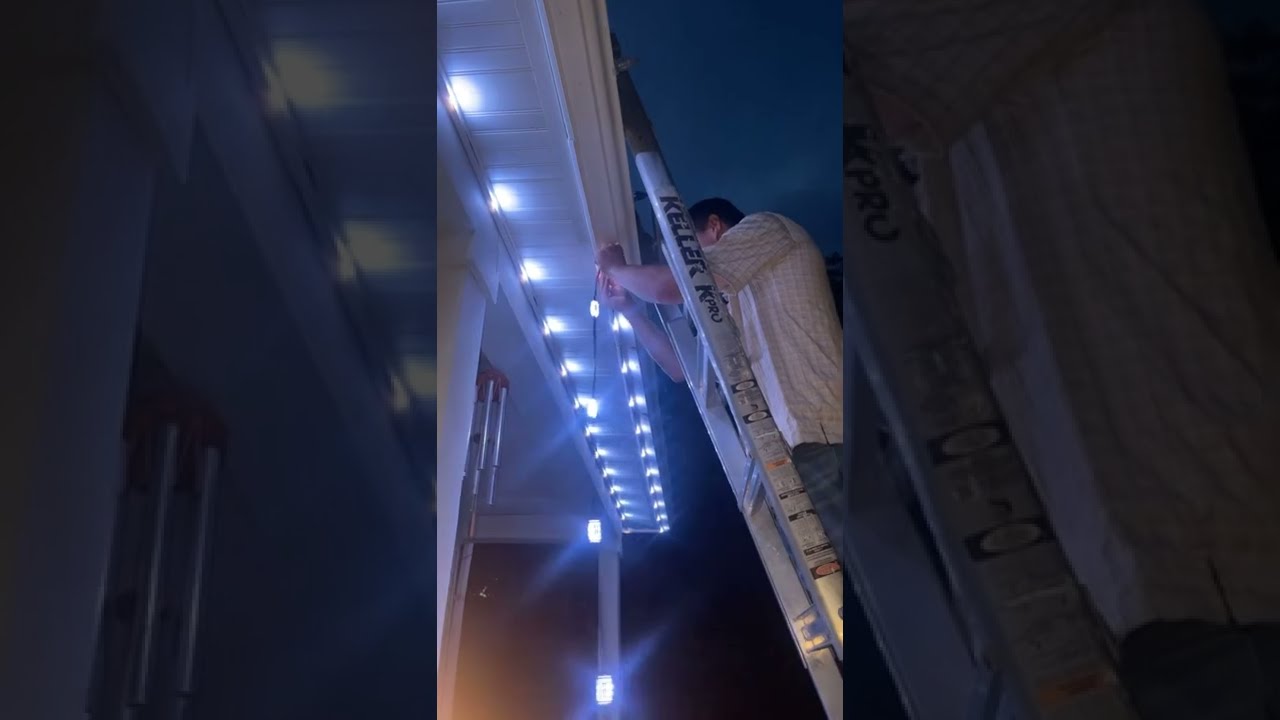
Permanent lights made use of to be something property owners taken into consideration after relocating. Increasingly, it is being reviewed during layout, building, or significant exterior restoration. That is permanent home roofline LEDs a significant shift.
Builders like it because it produces a premium feature that purchasers recognize right away. Remodelers like it because it pairs normally with brand-new soffits, rooflines, home siding tasks, and trim replacement. Designers like it when they can represent component placement early and maintain a tidy exterior. House owners like it due to the fact that retrofitting is not their only option anymore.
When lights is thought about in the planning stage, several things improve. The visual integration is better due to the fact that mounting information can be concealed extra elegantly. Power and control areas can be selected smartly. The installer can work around drainage, venting, and trim changes rather than improvising around finished surfaces. Even upkeep has a tendency to be easier when the system has been analyzed from the start.
This is where Irreversible LED Lights Installation ends up being more than a product acquisition. It becomes part of the envelope and discussion technique of the home. That does not indicate every home needs it, however it does mean the classification currently belongs in the very same discussion as exterior paint, garage door layout, landscape preparation, and front access upgrades.
Style, restriction, and the homes that profit most
Not every home puts on long-term illumination similarly well. Some exteriors practically welcome it. Others need a lighter touch.
Homes with clear roof covering geometry often tend to benefit one of the most. Think about colonials with balanced lines, artisan homes with layered gables, modern farmhouses with strong eaves, and modern builds with crisp edges. These types offer lighting a path to comply with. The design gives order, and the illumination amplifies it.
More complicated exteriors can still look exceptional, however they need judgment. A residence with lots of intersecting rooflines, multiple bump-outs, and differed products can end up being aesthetically chaotic if every edge is lit up. In those situations, selective illumination works better. Emphasizing the major ridgeline and entrance volume might produce a stronger result than mapping every contour.
Historic homes call for a lot more treatment. The question is not simply whether lights can be installed, however whether it must reveal itself at all. On some typical properties, particularly those with fully grown landscape design and duration details, a quiet warm-white strategy fits magnificently. On others, noticeable color modifications and computer animation can really feel out of step with the character of the architecture. Preference issues here, and so does area context.
One of the biggest false impressions is that irreversible holiday systems are inherently flashy. They can be, certainly. However that claims even more concerning programs choices than the system itself. Used thoughtfully, they are as much about refined nighttime ambiance as celebration.
The benefit story is actual, but it is just part of the appeal
The toughest sales pitch most property owners hear first is ease. No annual ladder job. No twisted strands. No burnt areas. No clips left in rain gutters. No scramble when weather condition turns cool. Every one of that holds true, and for several families it is reason enough.
But convenience alone does not discuss why this classification is influencing style. Lots of valuable items never ever alter the way homes look. Permanent lighting is various since it addresses a trouble while likewise developing a brand-new aesthetic opportunity. That mix is powerful.
There is likewise a safety and security angle that must not be reduced. Seasonal roofline lighting has actually constantly entailed threat. Also mindful house owners are still on ladders, frequently in inadequate climate, frequently rushing. The expense of an irreversible system needs to be weighed against that yearly routine. For some houses, especially older homeowners or hectic families who outsource vacation installment each year, the long-term value comes to be much easier to see.
Even so, I would certainly warn against watching it as an universal cash saver. The business economics depend on your home, the regional labor market, the sort of system, and how commonly the home owner in fact utilizes it. A moderate one-story home might have a various repayment tale than a huge personalized build with complex rooflines and extensive programs. It is far better to think about long-term lights the method people think about an integrated outside cooking area or updated landscape lights. It includes function and experience initially, with savings occasionally complying with relying on the situation.
Where inadequate installation can hurt the design
Because these systems are coming to be a lot more prominent, a lot more installers are entering the market. That is not always good news. Exterior illumination is unrelenting. A weak mount does not remain hidden.
The usual failures are predictable. Noticeable electrical wiring breaks the tidy daytime appearance. Poorly aligned fixtures make the roofline appear wavy. Irregular spacing produces locations and dead zones. Installing techniques that do not regard water management can develop larger issues than the lights themselves. The wrong shade temperature can make an attractive facade appearance flat, severe, or oddly commercial.
A good installer comprehends both electrical integrity and aesthetic structure. They ought to talk about sightlines, trim detail, daytime concealment, brightness control, and solution accessibility. If the whole conversation is almost app features and color choices, that is a warning sign. The installation needs to serve your home, not the other means around.
Here are a few inquiries worth asking prior to progressing:
- How noticeable will the track, cable, or fixture body be throughout the day?
- What illumination array works best for day-to-day usage, not simply vacation settings?
- How will certainly the system connect with existing deck, landscape, and safety and security lighting?
- What takes place if an area stops working, and exactly how easy is it to service?
- Can the installer show examples on homes with similar style and materials?
Those concerns have a tendency to separate design-minded experts from sales-first operators.
Neighborhood personality and the new decorum of exterior lighting
As a lot more homes take on permanent systems, neighborhood norms are changing also. That has design ramifications beyond one property line.
In some areas, these lights have actually entered into a wider approach curated exterior environments. Individuals buy hardscaping, accent illumination, updated garage doors, and covered patios, after that see long-term roofline illumination as the ending up piece. In other neighborhoods, the very same system can keep an eye out of place if many homes are downplayed and dark after 9 p.m.
This is where etiquette and design overlap. Even if a system can do intense color chases after at high illumination does not mean it should every evening. Home owners who make use of irreversible lighting well have a tendency to understand context. They dim it. They reserve bolder scenes for real events. They know when cozy white is enough.
That level of sensitivity matters for one more factor: overuse can create reaction. If irreversible lighting comes to be associated just with excess, some house owners and HOAs will certainly resist it. If it is viewed as tasteful, flexible, and architecturally considerate, it will certainly maintain getting acceptance as a legitimate outside layout tool.
Energy usage, resilience, and the useful side of year-round lighting
LED systems are effective, but performance does not remove the demand for common sense. Running an irreversible system every evening at complete illumination for extended periods is different from utilizing dimmed accent scenes for a couple of night hours. Usage varies by system dimension and settings, so broad claims must be treated carefully.
Durability also depends upon setting. Coastal air, intense sunlight, freeze-thaw cycles, and hefty tornados all stress outside parts. Much better systems are built for those problems, yet no item is immune to bad installment or overlook. Home owners need to expect occasional upkeep, software updates, or element substitute over the years. Long-term does not imply maintenance-free. It implies dealt with in position and created for long-term use.
That claimed, lots of people are shocked by how inconspicuous these systems can be when installed correctly. From the aesthetic in daylight, a well-matched network under the soffit usually vanishes unless you understand to seek it. During the night, the lights trigger a component of the home that made use of to go aesthetically dormant. That makeover is what keeps the classification growing.
Why this pattern is most likely to stick
Some home upgrades ride a wave of enjoyment and after that discolor. Long-term Holiday Lights do not look like among those trends. They rest at the crossway of ease, safety and security, personalization, and layout, which provides uncommon staying power.
More significantly, they answer a real adjustment in how home owners utilize their outsides. Outdoor living is no more simply a summer idea. Front facades are expected to really feel welcoming year-round. Enjoyable prolongs into evenings. Family members desire the ability to move a home's state of mind without literally refurnishing it every single time the calendar changes.
The toughest sign that this fad is durable is that the most effective installations barely check out as trend-driven. They read as thought about style. A residence described in Timeless Warm Soft Lights on a winter months evening does not feel gimmicky. It really feels made up. A thoroughly planned Permanent LED Illumination Setup that highlights style, sustains safety, and provides a home owner seasonal adaptability is doing far more than replacing a box of string lights.
It is redefining what a completed exterior can be.
As that concept spreads, more homes will certainly be developed with nighttime identity in mind from the very beginning. For architects and contractors, that adjustments preparing. For contractors, it increases the bar on implementation. For property owners, it opens up a new group of expression that was not sensible a years ago.
The larger change is simple: illumination is no longer just decor related to the beyond the home. It has actually entered into the home's outside layout itself. And once individuals see what that appears like when it is succeeded, it is difficult to go back to a few short-lived strands and a chilly weekend break on a ladder.